Ask A Genius 1371: Rick Rosner Reflects on Earliest Memories, Aging Realities, and Life in His 60s

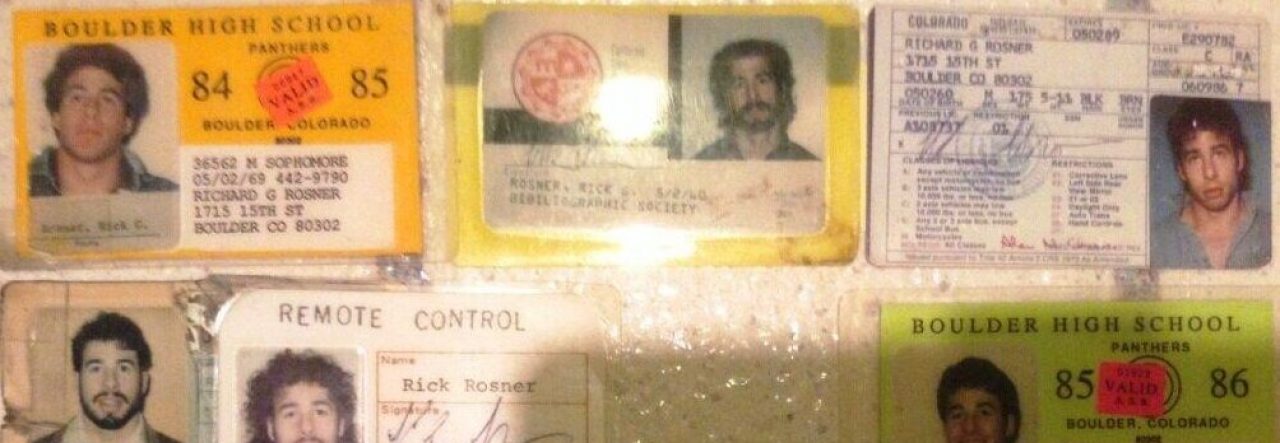
Rick Rosner recalls his earliest memories from age two, living in Boulder, Colorado, including Raggedy Ann curtains, puzzles by a piano, and hiding from the Perry Mason theme. He describes “memory of a memory” experiences, including crushes and poolside fears during summer visits to his father. Rosner reflects on aging, noting the looming awareness of death, the benefit of lowered expectations, and the downside of invisibility in romantic terms. He contrasts gym culture in the U.S. and U.K., praising British youth for their focus. While accepting the physical and social shifts of aging, he maintains humor and perspective on the journey.
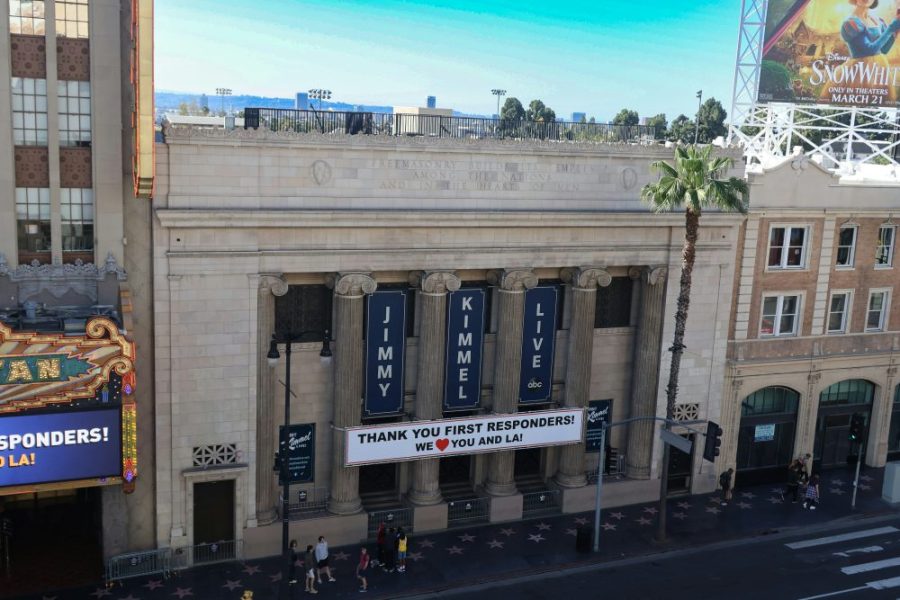
Ask A Genius 1370: Napping, Aging, and Dreaming of Kimmel

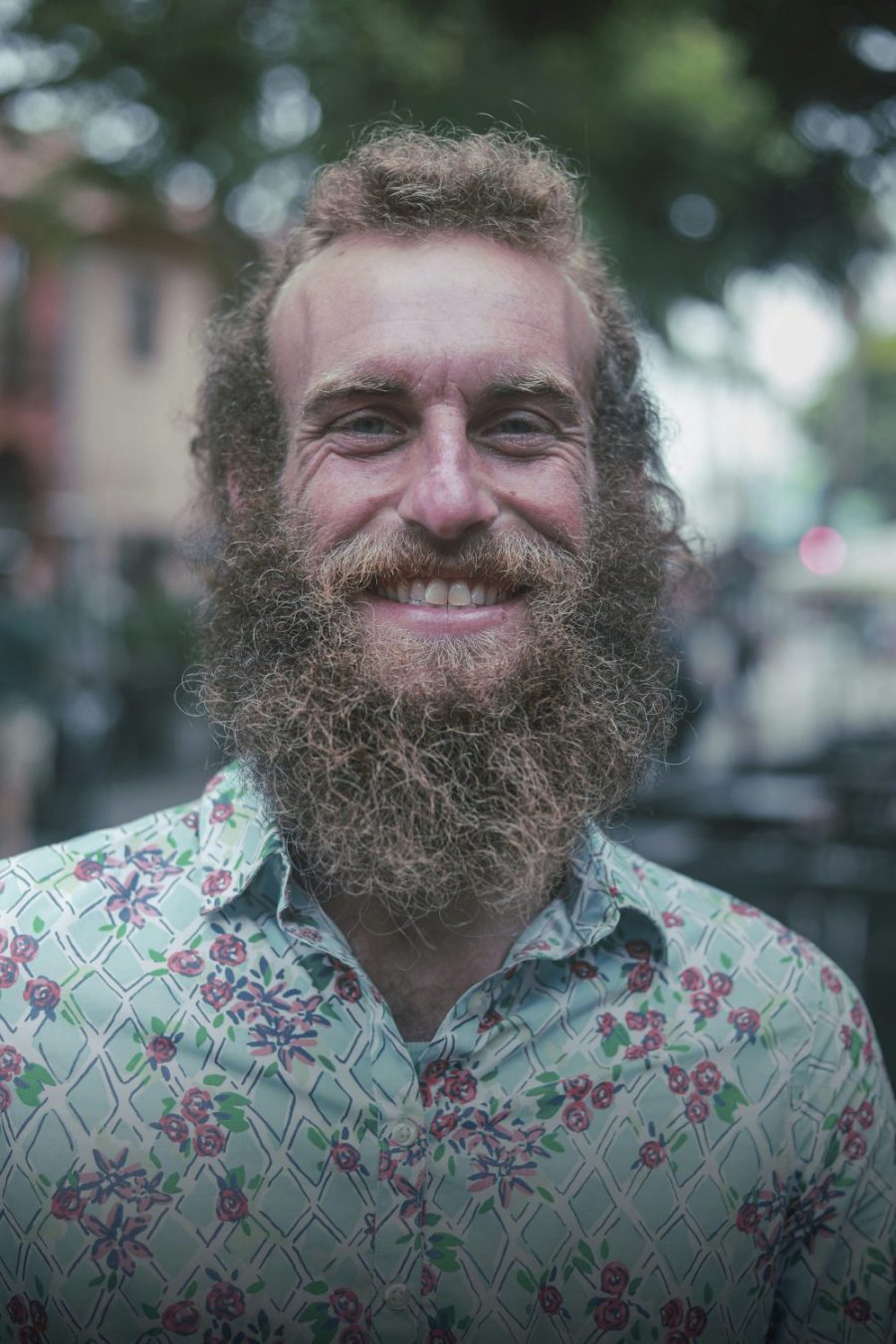
Rick Rosner recounts a familiar tension in his long-term relationship with Carole: she occasionally donates or discards items he values—most recently a large crystal vase he loved. After a frustrating realization it was gone before Mother's Day, they clashed, but he found a similar vase online for $40 and chose to replace it rather than stay angry. Rosner also describes the physical challenges of flying in his mid-sixties, sharing travel hacks like choosing Virgin’s Economy Delight for extra space and even exercising in-flight. Despite discomforts—and one disastrous vegan pizza—he and Carole have learned how to make long-haul flights bearable.

Ask A Genius 1369: Navigating Relationships and Aging, or Lost Vases and Long-Haul Flights

Rick Rosner recounts a familiar tension in his long-term relationship with Carole: she occasionally donates or discards items he values—most recently a large crystal vase he loved. After a frustrating realization it was gone before Mother's Day, they clashed, but he found a similar vase online for $40 and chose to replace it rather than stay angry. Rosner also describes the physical challenges of flying in his mid-sixties, sharing travel hacks like choosing Virgin’s Economy Delight for extra space and even exercising in-flight. Despite discomforts—and one disastrous vegan pizza—he and Carole have learned how to make long-haul flights bearable.

Ask A Genius 1368: From Playground Racism to Nuclear-Free Zones: America’s Shifting Cultural and Moral Landscapes

Scott Douglas Jacobsen interviews Rick Rosner about the nature of therapy, particularly couples counseling. Rosner shares his extensive experience in therapy, noting the importance of unbiased therapists. He reflects on the complexity of discussing current events, like the Israel-Palestine conflict, within therapeutic environments, recognizing the emotional weight it carries for many, including American Jews. Rosner expresses frustration over politicization in counseling and stresses the need for impartiality. He relates this dynamic to personal communication challenges with his wife, emphasizing the role of therapy in fostering constructive dialogue about personal and external issues, including political tensions, without ideological bias.

Ask A Genius 1367: What are rising social awareness and global leadership changes?

Scott Douglas Jacobsen interviews Rick Rosner about the nature of therapy, particularly couples counseling. Rosner shares his extensive experience in therapy, noting the importance of unbiased therapists. He reflects on the complexity of discussing current events, like the Israel-Palestine conflict, within therapeutic environments, recognizing the emotional weight it carries for many, including American Jews. Rosner expresses frustration over politicization in counseling and stresses the need for impartiality. He relates this dynamic to personal communication challenges with his wife, emphasizing the role of therapy in fostering constructive dialogue about personal and external issues, including political tensions, without ideological bias.

Ask A Genius 1366: How AI Language Models Are Changing Education, Cognition, and Access to Knowledge

Scott Douglas Jacobsen interviews Rick Rosner about the nature of therapy, particularly couples counseling. Rosner shares his extensive experience in therapy, noting the importance of unbiased therapists. He reflects on the complexity of discussing current events, like the Israel-Palestine conflict, within therapeutic environments, recognizing the emotional weight it carries for many, including American Jews. Rosner expresses frustration over politicization in counseling and stresses the need for impartiality. He relates this dynamic to personal communication challenges with his wife, emphasizing the role of therapy in fostering constructive dialogue about personal and external issues, including political tensions, without ideological bias.

Ask A Genius 1365: Ethics, Therapy, and Israel-Gaza: Bias, Counselling, and Cultural Reckonings

Scott Douglas Jacobsen interviews Rick Rosner about the nature of therapy, particularly couples counseling. Rosner shares his extensive experience in therapy, noting the importance of unbiased therapists. He reflects on the complexity of discussing current events, like the Israel-Palestine conflict, within therapeutic environments, recognizing the emotional weight it carries for many, including American Jews. Rosner expresses frustration over politicization in counseling and stresses the need for impartiality. He relates this dynamic to personal communication challenges with his wife, emphasizing the role of therapy in fostering constructive dialogue about personal and external issues, including political tensions, without ideological bias.

Ask A Genius 1364: AI, Vector Spaces, and the Rise of a Synthetic Universal Language

Scott Douglas Jacobsen and Rick Rosner discuss the potential for computers and AI to create a universal language framework. Rosner highlights Google Translate's approach, using an abstract meta-language as a conceptual intermediary. This structure may adapt to cultural nuances, suggesting early developments in encoding human language are already occurring.

Ask A Genius 1363: Sam Altman, AI Priorities, and the Future of Human Consciousness

Scott Douglas Jacobsen and Rick Rosner discuss differing perspectives on AI's future. Rosner highlights both optimistic and pessimistic views on AI's potential value, while Jacobsen raises concerns about AI redefining human priorities. They explore the implications for consciousness and immortality, suggesting AI may transform our understanding of existence and collective experiences.

Ask A Genius 1362: The Vector of Intelligence: Trust, AI, Evolution, and Cognitive Direction

Rick Rosner explores the violation of trust in evolutionary processes, contrasting the treatment of meat animals with pets. He questions whether betraying an animal that has known love is worse than abusing one that has only experienced suffering. Additionally, he reflects on artificial intelligence's cognition in film and its implications for human intelligence and attitudes.