Ask A Genius 1543: Ceasefire Uncertainty, ICC Politics, and the AI Arms Race

Scott Douglas Jacobsen and Rick Rosner range from roof repairs to world repairs. They discuss the fragility of Israel–Hamas ceasefires, contested ICC warrant actions involving Benjamin Netanyahu and Yoav Gallant, and the staggering toll on journalists in Gaza. Jacobsen notes patterns of ceasefire violations and hopes hostages return while Palestinians gain relief. They examine Xi Jinping’s remarks on women in governance, the legacy of the 1995 Beijing Declaration, and gaps between rhetoric and implementation. Finally, they compare today’s AI arms race to nuclear escalation, warning that incentives to accelerate outstrip safety, and leadership competence remains the decisive, missing ingredient today.

Ask A Genius 1542: Loyalty Over Competence and the New American Divide

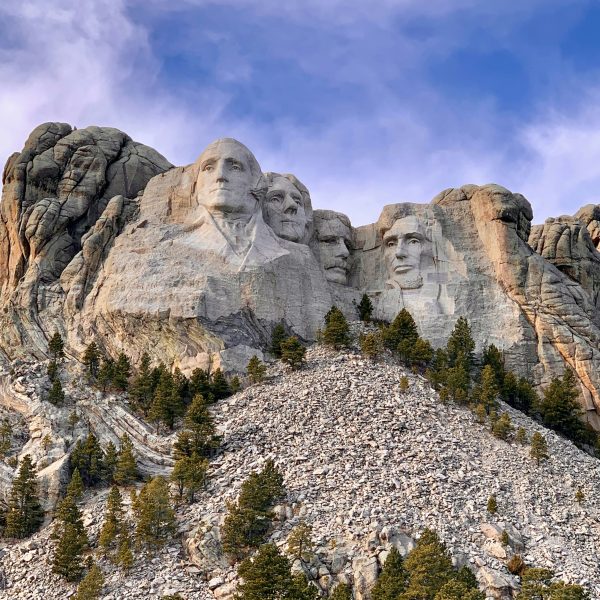
Scott Douglas Jacobsen and Rick Rosner discuss the deepening dysfunction in Trump’s second administration, where loyalty eclipses competence. Rosner contrasts the current team of sycophants with earlier figures like Rex Tillerson, who at least understood governance. The dialogue explores the implications of Dan Scavino’s appointment, the government shutdown’s legal tangles, and symbolic flashpoints such as Stone Mountain’s Confederate carving. Rosner criticizes politicized firings, university crackdowns, and misinformation around Trump’s health. Together, they frame a portrait of a nation slipping toward authoritarian theater—where spectacle overtakes substance and institutional trust erodes beneath partisan zeal.

Ask A Genius 1541: YouTube’s Attention Economy: Sex, Politics, and Authenticity in “Naked at Night”

In this conversation, Rick Rosner discusses the analytics and creative dilemmas behind Naked at Night, his YouTube show featuring artists, musicians, and occasional bikini-clad guests. Despite a surge in male viewers aged 30–40, audience retention remains low—most leave within a minute when the content proves more talk and art than titillation. Rosner and Scott Douglas Jacobsen examine how thumbnails, algorithms, and audience expectations drive misleading clicks and force creators to choose between authenticity, eroticism, and politicization. The discussion reveals the friction between artistic intent and digital attention economics in an age of algorithmic seduction.

Ask A Genius 1540: Trump’s Legal Battles, Peter Thiel’s Hypocrisy, and America’s Fractured Heart

In this candid exchange, Rick Rosner reflects on Donald Trump’s ongoing legal troubles, alleged corruption, and the normalization of unethical behavior in American politics. He critiques Peter Thiel’s advice to Elon Musk against charitable giving as emblematic of billionaire arrogance and moral emptiness, contrasting it with Bill Gates’s philanthropic pragmatism. Rosner connects these issues to America’s agricultural collapse—where misguided trade policies and blind political loyalty devastate farmers—and to cultural dissonance that fractures the nation’s conscience. His analysis portrays a society seduced by power and spectacle, losing sight of empathy, reason, and accountability.

Ask A Genius 1539: Trump, Antifa, Fires, and Kimmel

In this conversation, Scott Douglas Jacobsen and Rick Rosner dissect several pressing issues: former President Donald Trump’s request for conservative allies to expose Antifa supporters, the tragic California Palisades fire linked to an arsonist, and the controversy surrounding Jimmy Kimmel’s remarks about Charlie Kirk. Rosner underscores that Antifa is not an organized group but rather a political stance against autocracy, making Trump’s request absurd. The discussion then shifts to the troubling trend of disturbed young men committing violent acts, before exploring Kimmel’s defence of his comments and the solidarity among late-night hosts like Jon Stewart and Stephen Colbert.

Ask A Genius 1538: 12,680 Days of Workouts, Trump’s Chaos, and Nobel Peace Prize Irony

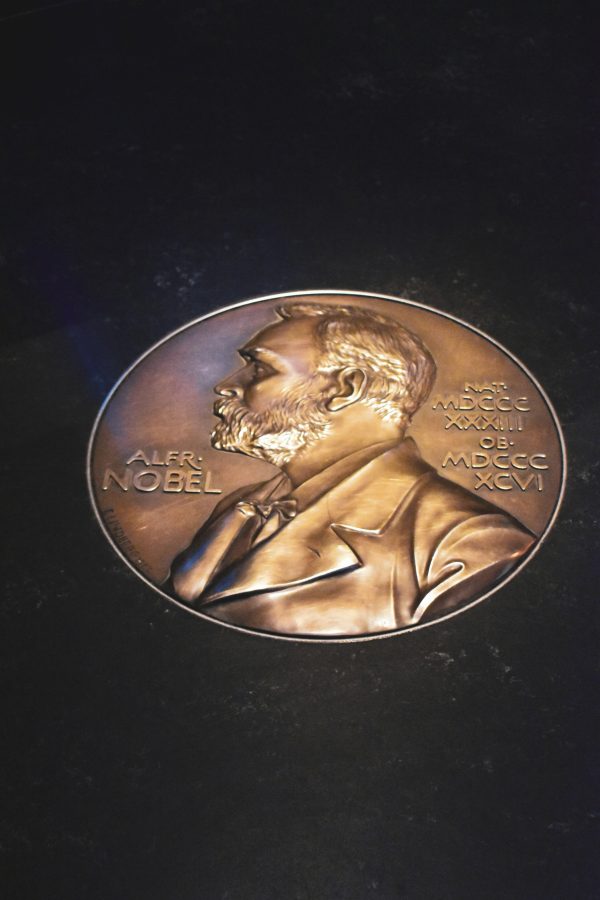
In this candid exchange, Scott Douglas Jacobsen asks Rick Rosner about his extraordinary 12,680-day workout streak—over 34 years without missing a day. Rosner outlines his routine of push and pull days, daily leg work, and adaptations due to a semi-permanent rotator cuff injury. The conversation shifts to current affairs, where Rosner criticizes Trump’s chaotic style, dishonesty, and lack of accountability in the media. He highlights Trump’s controversial Nobel Peace Prize ambitions amid the Israel-Hamas ceasefire deal and domestic militarization. Rosner draws contrasts with Obama’s early prize and reflects on the strangeness of today’s political climate.

Ask A Genius 1537: U.S. Supreme Court Conversion Therapy Debate and AI Energy Demand

Colorado’s ban on conversion therapy for minors faces a U.S. Supreme Court challenge framed as free-speech, raising tensions between professional standards and religious pseudoscience. Scott Douglas Jacobsen and Rick Rosner argue evidence, ethics, and patient protection should prevail over rights claims. They compare outlawing a dangerous, ineffective “therapy” to banning lessons in flying. In parallel, U.S. power demand is projected to hit new records as AI, cryptocurrency, and electrification expand, potentially eroding emissions gains unless clean generation, storage, and efficiency scale quickly. The pair endorse science-based policy, guardrails on harmful practices, and pragmatic energy planning to align liberty with wellbeing.

Ask A Genius 1536: AI Ethics, Grigori Perelman, and Storytelling

In this dialogue, Scott Douglas Jacobsen and Rick Rosner explore a wide range of topics, from Robin Williams’s daughter objecting to AI-generated clips of her late father, to Rosner’s discomfort at being compared to mathematician Grigori Perelman. The conversation touches on ethics, memory, self-presentation, and cultural sensitivity in an age of artificial media. Rosner expands into personal reflections, weaving in anecdotes about his family life in Albuquerque and speculative narratives about Los Angeles in the 1970s. The exchange highlights the tensions between authenticity and fabrication, personal identity and public image, while underscoring the importance of storytelling in shaping perception.

Ask A Genius 1535: Future Politics, Digital Avatars, and Global Flashpoints

Scott Douglas Jacobsen and Rick Rosner explore a spectrum of future-shaping issues, from AI-driven cultural policies to the politics of international crises. Rosner imagines “Single Avatar Policies” (SAPs) regulating digital replicas of dead celebrities, tightly controlled to prevent brand dilution and protect jobs. Jacobsen turns the conversation toward global flashpoints: Russia’s drone war against Ukraine and NATO’s cautious responses, Sanae Takaichi’s rise in Japan as its first potential female prime minister, and North Korea’s military buildup. Domestically, they discuss U.S. shutdown politics, Trump’s controversial tactics, civil rights violations, and the economics of California’s refineries. Together, the dialogue maps the areas where technology, politics, and society intersect.

Ask A Genius 1534: Sean “Diddy” Combs Sentenced, Nicholas Roske Plot, and Trump’s Coin Controversy

Rick Rosner parcels Alien Earth into ten-minute rations, landing on the six children uploaded into super-strong synthetic adults. He doubts the show’s glossy mind-transfer fidelity by 2120, noting Nibs’s PTSD and delusional pregnancy after the Eye Midge attack. The Peter Pan naming frames ageless “Lost Boys,” adding textured worldbuilding; quirkiness matters. Alien Earth’s Maginot ship evokes the Maginot Line—impressive yet fatally bypassable. Rosner contrasts this care with Altered Carbon’s one-trick future. He then pivots to politics: a recent appeals-court blow to broad tariffs may temper inflation and reshape 2026 incentives, potentially sparing Republicans pain that higher prices could have delivered.