“I’m doing what looks aesthetically good. It’s already a bit much.”
“I’m doing what looks aesthetically good. It’s already a bit much.”
“If you want to feel like you are a genius—misunderstood, unappreciated by the world—there is a lot of support for that. There is a whole misinformation industry, a delusion industry.”

Rick Rosner: “People should be educated to be suspicious—but not stupidly suspicious. That is part of civic education. Another part should be learning how to tell the difference between a legitimate scientific paper or expert and a charlatan… Someone with even a bit of training can usually tell fairly quickly why a paper is bullshit.”
The easiest way to become handsome is to become recognizable. Fame normalizes faces, intelligence tempts reinvention, and marriage demands endurance. Consistency may not feel romantic, but decades of work are. Sometimes the smartest move is not optimization, but following rules billions survived by, quietly, imperfectly, and together over time historically.

“We’re trying to keep her going as long as she allows. Then you look outward and everything feels more extreme—enforcement surges, outrage, and a culture that records everything. The American system has levers, but soft power is eroding. Some movements do not vanish; they age out.”

On a multiple-choice quiz show, the correct answer should exist among the choices. The situation was especially absurd because I am meticulous about this sort of thing. I reviewed approximately 110,000 Millionaire questions from versions of the show across more than thirty countries to confirm that my interpretation was correct.
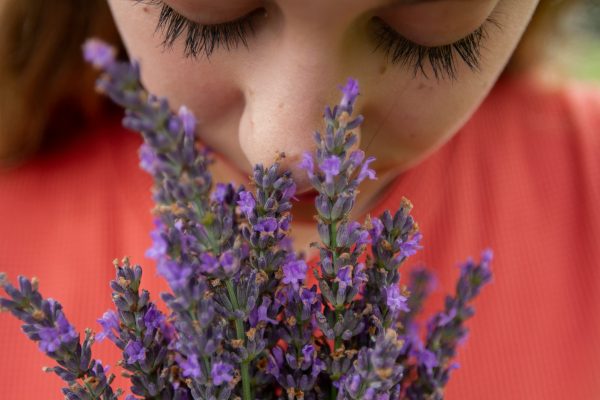
“Aging isn’t just physical decline; it’s a narrowing and sharpening of attention. You lose people, you lose illusions, and some drives blunt themselves. But memory—especially smell—sticks around because it once kept us alive. What changes isn’t meaning itself, but how selectively we carry it.”
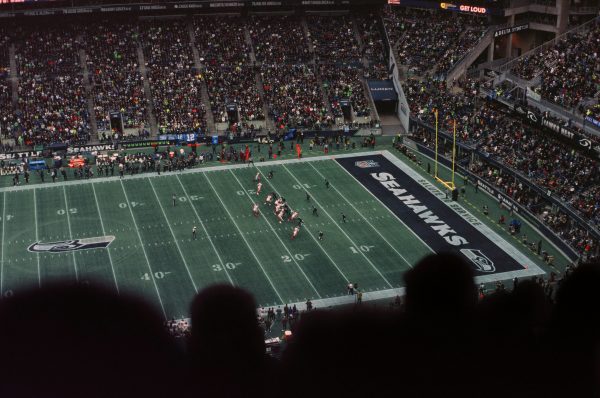
“When bad actors face no practical constraints, that is always dangerous. Language let us compress reality into symbols, freeing our minds to roam more widely. That same generalist power makes us adaptable—but it also means our systems can fragment when pressure rises. The slope does not always look slippery, until it does.”
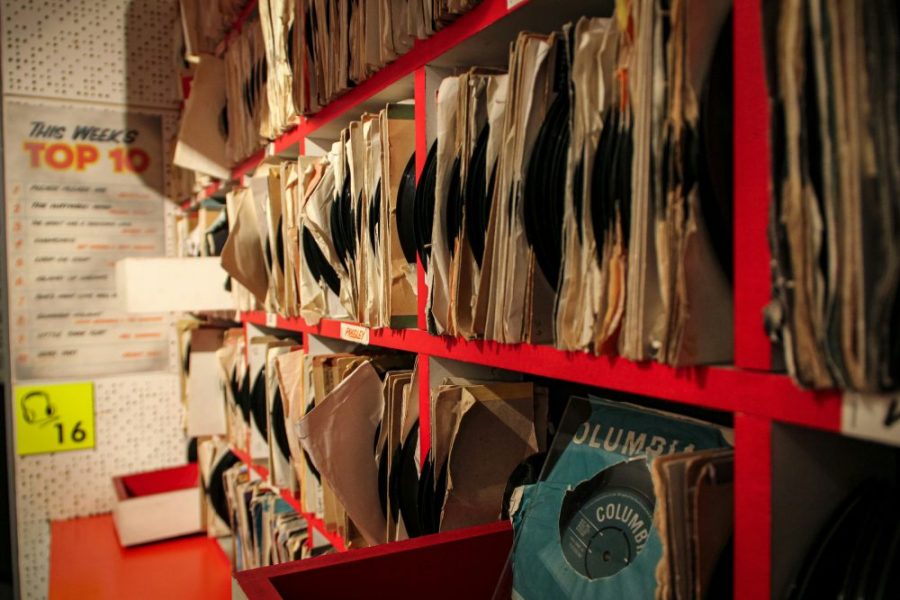
“I set alarm clocks and scattered Legos across the carpet, then put the clocks across the room so I had to step on Legos to shut them off. The pain was supposed to wake me up. Instead, I stepped on Legos, turned off the clocks, and went back to bed.”
“It is called papering the opposition.”
 Rick Rosner